



Gut Health and Menstrual Cycles: How They Go Hand in Hand
 Written by Rosie Letts (BSc BANT CNHC)

Gut health is connected to nearly every system in the body — from digestion and immunity to metabolism and hormonal balance. When the gut microbiome is well supported, benefits can be felt across mood, energy, and menstrual wellbeing. This helps explain the strong relationship between gut health and menstrual cycles, since the microbiome plays a key role in how hormones are produced, metabolised, and cleared.
According to research, as many as 73% of menstruating individuals experience gastrointestinal (GI) symptoms in the days before menstruation, including bloating, constipation, and nausea, in the days before menstruation.
The gut and reproductive systems influence one another in both directions, so in this article we’ll explore that connection, show how to support menstruation through gut health, and highlight the important role Biotiful Kefir can play.
How your menstrual cycle can impact your gut
Throughout the menstrual cycle, levels of estrogen and progesterone fluctuate, and have effects on gut function. Higher progesterone levels in the premenstrual phase result in bloating, constipation and mood swings for some people, as the balance of the gut microbiome is disrupted.
These changes help explain why many people experience digestive symptoms such as bloating, altered bowel habits, abdominal discomfort or stronger cravings at certain stages.
How your gut can impact your menstrual cycle
The gut microbiome also helps regulate hormone activity through a group of bacteria known as the estrobolome. These microbes produce enzymes such as β-glucuronidase that manage how oestrogen is processed, recycled and excreted.
A study found that dysbiosis (an imbalance) of the gut can result in elevated insulin levels, which triggers the immune system and stimulates chemical messengers in the body that cause inflammation. As a result, the natural balance between estrogen and progesterone is thrown off, resulting in menstrual issues.
How to support menstruation with your gut health
Now that we understand the link between gut health and the menstrual cycle, let’s look at practical ways to nourish your microbiome and support a healthy, balanced cycle.
Prioritise a gut healthy diet
A fibre-rich, wholefood diet filled with fruits, vegetables, seeds, nuts and wholegrains — is key for maintaining a thriving gut microbiome and helping to regulate hormone levels.
Omega-3’s, found in fatty fish and flaxseeds, have been associated with reducing inflammation and supporting mood regulation.
Beneficial bacteria - preliminary studies suggest that these foods can help to balance hormonal fluctuations, along with restoring a healthy gut microbiome. Including fermented foods with live cultures, such as Biotiful Kefir, helps to feed beneficial bacteria and support gut balance.
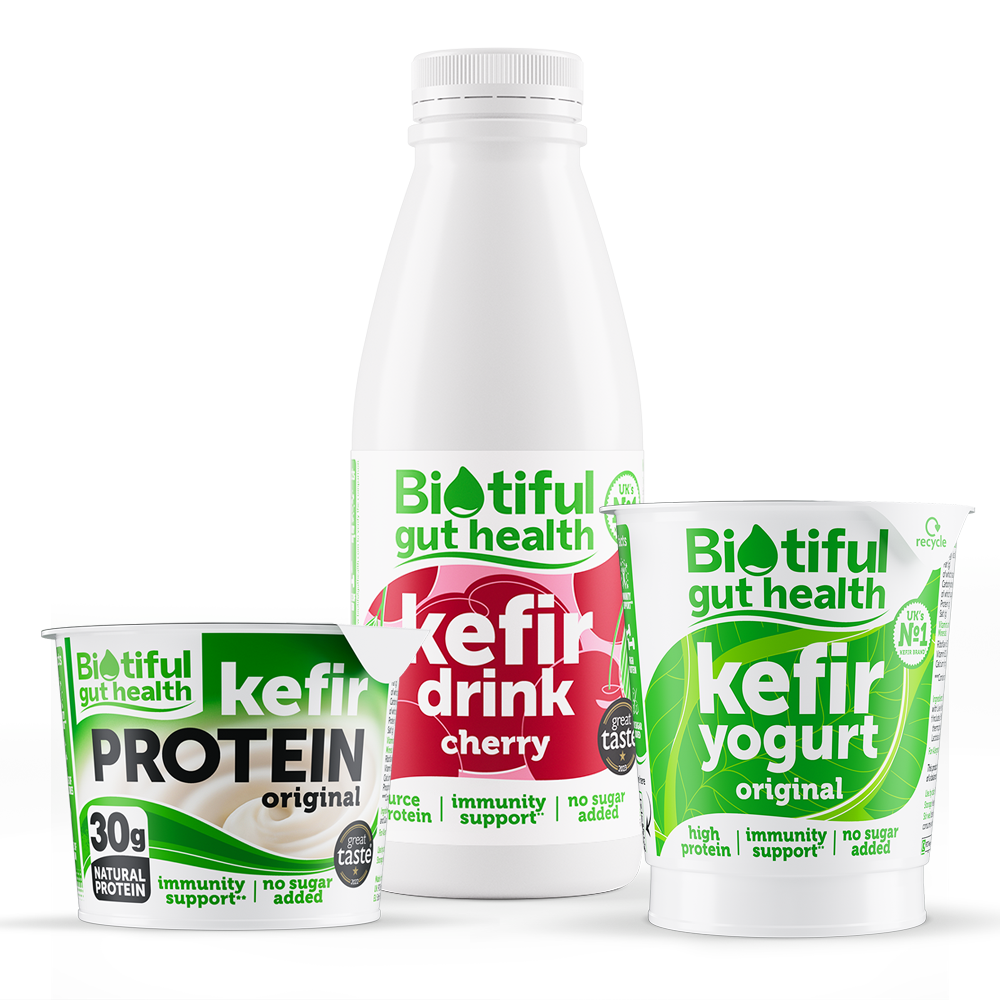
Biotiful Kefir’s range of Kefir yogurts and drinks makes it easy to add friendly bacteria to your diet every day. We’re stocked in supermarkets all across the UK so you can pick it up with your weekly shop. Whether you prefer plain or flavoured options, it’s a simple, delicious way to build a gut healthy diet.
Minimise stress
During some phases of the menstrual cycle, mood and stress levels can shift, with health anxiety and stress being higher in the luteal phase. Counterbalance this by carving out time for relaxation — yoga, gentle movement, time with friends or cooking a nourishing meal can all calm the nervous system and support gut–brain balance.
Prioritise sleep
Poor sleep can upset the gut microbiome, increase inflammation and weaken the intestinal barrier. Research has suggested that there are higher recovery needs during the menstrual cycle, so aim for 7–8 hours of restful sleep each night to protect your gut and help your body maintain a healthy hormonal rhythm.
Light exercise
Regular movement can help to reduce menstrual symptoms, along with improving sleep quality, which can be disturbed during menstruation. It also supports gut health by improving the balance of the gut microbiome. Because energy levels change throughout the month, focus on movement that feels good for you — from walking to more intense exercise when energy is higher.
Stay hydrated
Hydration is essential for digestion and overall gut health, with research showing a link between water restriction and gastrointestinal issues. Sip water regularly through the day to aid digestion and minimise water retention, while limiting sugary or carbonated drinks that may irritate the gut.
Listening to your body and adjusting diet through different phases of the menstrual cycle
Your body gives subtle cues throughout the month about what it needs. Tuning into these signals and adapting your meals through each phase can help sustain energy and comfort.
Follicular phase
The follicular phase tends to be the most stable of the menstrual cycle, with digestion being more normal, less bloating and more energy as levels of oestrogen increase. So, eat as you usually would and focus on setting healthy habits with a high fibre, high protein wholefood diet to set you up for the rest of the month.
Ovulation phase
The ovulation phase is when levels of oestrogen are at their highest, so you have the most energy through this week. If you’re into your fitness, you will likely find you are able to train at your highest intensity during this phase, so make sure you’re prioritising natural sources of protein and wholefood carbohydrates to fuel your training and support muscle growth and recovery. Our Kefir protein range is great for hitting 20-30g of gut-healthy protein!
Luteal phase
Levels of oestrogen and progesterone drop, resulting in lower levels of the mood-regulating serotonin, which can cause mood to drop. Often this causes cravings for high-sugar and high-carbohydrate foods in order to increase serotonin. Issues with the gut are also most common in the luteal phase of the menstrual cycle.
To reduce these cravings and fuel the body with gut-healthy foods, eat balanced meals that are high in protein, fibre and healthy fats to help stabilise blood sugar and keep you feeling full. Incorporating delicious foods throughout this phase will also help to satisfy cravings, with our chocolate cherry Kefir pancakes being a winner.
Menstruation phase
During menstruation, eating more omega-3 fatty acids and iron-rich foods can help to compensate for the loss of blood, so prioritise things like leafy greens, fatty fish, nuts and seeds. If you experience cramps, research shows that eating more foods containing magnesium, such as dark chocolate, avocado, black beans, quinoa and bananas, can help to naturally relax muscles, as well as having anti-inflammatory properties.
The ultimate menstruation phase meal to cover all of these would be a Mexican black bean salad with salmon and quinoa. For the dressing, blend together Biotiful original Kefir yogurt, lime juice, avocado, salt, spinach and coriander, then drizzle over the top. Then as a sweet treat, cut open dates, add in a spoonful of 100% peanut butter, and dip in melted 70% dark chocolate. Finish with a pinch of sea salt and enjoy!
Final thoughts
Understanding how gut health and menstrual cycles are linked empowers you to care for your body throughout the month. Focusing on a high-fibre, wholefood diet with fermented foods like Biotiful Kefir helps keep the microbiome balanced, supports hormone regulation and helps you feel your best all month long.