Often, gut bloating is a sign that your Gut Health needs attention, closely tied to the balance of your microbiome, the community of bacteria that’s essential for digestion and overall wellbeing.
Gut bloating can strike for many reasons—constipation, food intolerances, or hormonal changes during your menstrual cycle are all common culprits. Sometimes, it can even signal an underlying health condition.
Often, gut bloating is a sign that your Gut Health needs attention, closely tied to the balance of your microbiome, the community of bacteria that’s essential for digestion and overall wellbeing.
Learn about the link between Gut Health and bloating, with guidance from qualified nutritionist Kristen Stavridis (BSc Hons)
Kristen Stavridis: If I get bloated does it mean my gut is unhealthy?
‘Not necessarily. Experiencing a little bit of gut bloating post meal is absolutely normal and does not mean you have an unhealthy gut. However, if you feel bloated quite regularly, you are not going to the bathroom at least once a day, feel sluggish and “heavy” and have cramps around the stomach area it may mean that some changes need to be made in your diet and lifestyle to improve your bloating and Gut Health. Excess bloating may also be a sign that you are a little backed up and dealing with some constipation, so boosting fibre content to 30g daily, increasing water intake, eating more plant foods and getting in daily exercise will help.”
Does Kefir help to reduce bloating?
Whilst Kefir alone is not a direct solution to preventing bloating, diet does have a role to play as part of the potential remedy. Research shows that a balanced microbiome is one of the most promising ways to help manage bloating, supporting healthy digestion, which Kefir can help you to achieve.
Research suggests that by promoting regularity in the gut, Kefir may help to reduce bloating and discomfort. Drinking 250ml or eating 250g of Biotiful Kefir a day consistently can help to diversity of the gut microbiome and support overall Gut Health.
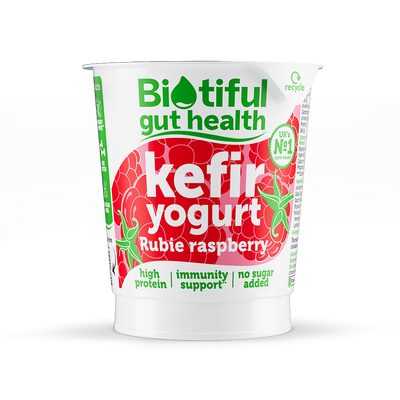
Biotiful Kefir is stocked in and comes in a variety of different flavours, making it really simple to add into your everyday routine.
Avoiding excessive sugar intake, as this can cause gut dysbiosis (an imbalance of the bacteria in the gut), therefore impacting your gut health and causing bloating
Staying active to help encourage healthy bowel movements. Research shows that light exercise helps to reduce abdominal pain and improve intestinal motility for people who have IBS
If you are still experiencing persistent bloating after making adjustments to your diet and lifestyle, please seek support from a medical professional.
Why do I get bloated after a meal?
According to nutritionist Kristen Stavridis, there are various reasons why you may experience bloating after a meal:
“When we experience gut bloating post meal it can be caused by eating a large volume of food, but we can also experience bloating caused by gas being produced by gut bacteria from certain foods we eat. Usually, gas is produced from undigested carbohydrates in things like pulses, beans and wholegrains, but also some people can experience gassiness after eating foods containing dairy, high in protein, highly processed foods and more.”
FAQs about bloating and Gut Health
There are a number of factors that can contribute to issues with gut health and bloating:
1. Constipation
Constipation is a common cause of gut bloating. If your bowel movements are irregular, or you’re experiencing hard, dry stools, pain, or a sense of incomplete emptying, gas can build up and leave you feeling bloated.
2. Swallowing Air
Aerophagia, a condition caused by swallowing too much air, is a potential cause of bloating. Chewing gum, eating too quickly, or sipping on fizzy drinks can trap air in your gut, causing issues with both your gut health and bloating. Small changes, like slowing down while eating, can help.
3. Menstrual Cycle
For many women, bloating comes hand-in-hand with hormonal shifts before or during their period. Changes in progesterone and oestrogen can cause water retention, leading to that familiar bloated feeling.
4. Food Intolerances
Food intolerances, like lactose or high-FODMAP foods, can trigger gut bloating. These aren’t “bad” foods, but your body may struggle to process them. Keeping a food diary can help identify your personal triggers.
5. Under Lying Conditions
Gut bloating can be linked to conditions like IBS or, in rare cases, more serious health issues. If bloating is persistent or your symptoms change suddenly, it’s worth checking in with your doctor.
There are a number of different drinks which may help to improve Gut Health and in turn, reduce symptoms of a gut imbalance, including bloating.
Drinking Kefir may play a role in reducing bloating, as research has shown that Kefir helps to increase the diversity of the gut microbiome, and balancing the microbiome is one of the most positive ways to help manage bloating, balance the gut microbiome, support healthy digestion, improve Gut Health and reduce bloating.
Research has shown that drinking tea can help to regulate the gut microbiome which is linked to a range of health benefits, including reduced bloating. Green tea, black, oolong, Pu-erh and Fuzhuan teas are particularly beneficial in terms of the benefits on gut health.
So, drinking plenty of water throughout the day, as well as making gut-healthy swaps to introduce Biotiful Kefir and herbal teas, can be beneficial to support your gut health and reduce symptoms of a gut imbalance, including bloating.
We’ve explored why different food groups can help to reduce bloating by balancing the gut microbiome, so now we’re going to look at how you can incorporate them into your diet!
Focusing on plant-based foods that are high in fibre can help to get your digestive system moving and reduce bloating, so try a bowl of oats with bananas, with some nuts and seeds sprinkled on top.
If you’re wanting more of a main meal, pile up your plate with vegetables that have a high water content as well as being high fibre, such as celery, cabbage, spinach, squash and carrots. Try this with wholegrains and lean protein.
Incorporating gut-friendly foods and drinks into your diet can also help to balance the gut microbiome, which research suggests it may be one of the most helpful approaches for managing bloating. Try having a Biotiful Kefir yogurt or drink to kickstart your day in a gut-healthy way.
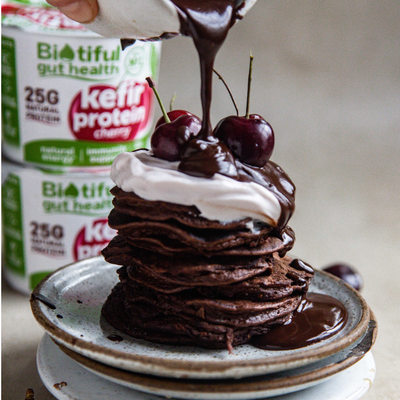
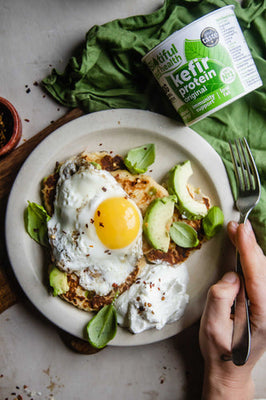
Whenever you would typically eat yogurt, you can simply replace it with Biotiful Kefir. Add a scoop of Biotiful Kefir Original Yogurt to your creamy salad dressing, a portion of Biotiful Kefir Vanilla Yogurt in your morning granola bowl, or a Biotiful Kefir Protein Yogurt to go with your lunch. Adding Kefir Drinks to smoothies, overnight oats or enjoying our flavoured Kefir Drinks on their own couldn’t be easier. We also have plenty of delicious Kefir recipes for you to take inspiration from.