



10 Foods That Are Good For Gut Health!
 Written by Rosie Letts (BSc BANT CNHC)

When it comes to eating for gut health, small, consistent choices can make a real difference. The foods you eat can influence the environment of your gut microbiome, which is why including a wide variety of foods that are good for gut health is such an important place to start. The good news is that many of these foods are simple, accessible and easy to include in everyday meals.
Why Are Foods That Are Good For Gut Health Important?
Your gut is home to trillions of bacteria, alongside other microbes, which together make up the gut microbiome. This complex ecosystem plays an important role in overall health, and the foods you eat can influence how well it is supported¹˒².
Fibre-rich foods provide fuel for gut bacteria, fermented foods introduce live cultures, and eating a wide variety of plant foods helps support a more diverse gut microbiome.
A simple way to think about eating for gut health is to focus on including more fibre-rich plant foods and fermented foods in your day-to-day meals. Foods like oats, lentils, apples and fermented options such as Biotiful Kefir are all easy starting points.
Rather than looking for one “superfood”, it’s the overall pattern of your diet that matters most. Building variety across the week, and including these foods regularly, is what helps support your Gut Health over time.
Our Top 10 Foods That Are Good For Gut Health
1. Biotiful Kefir
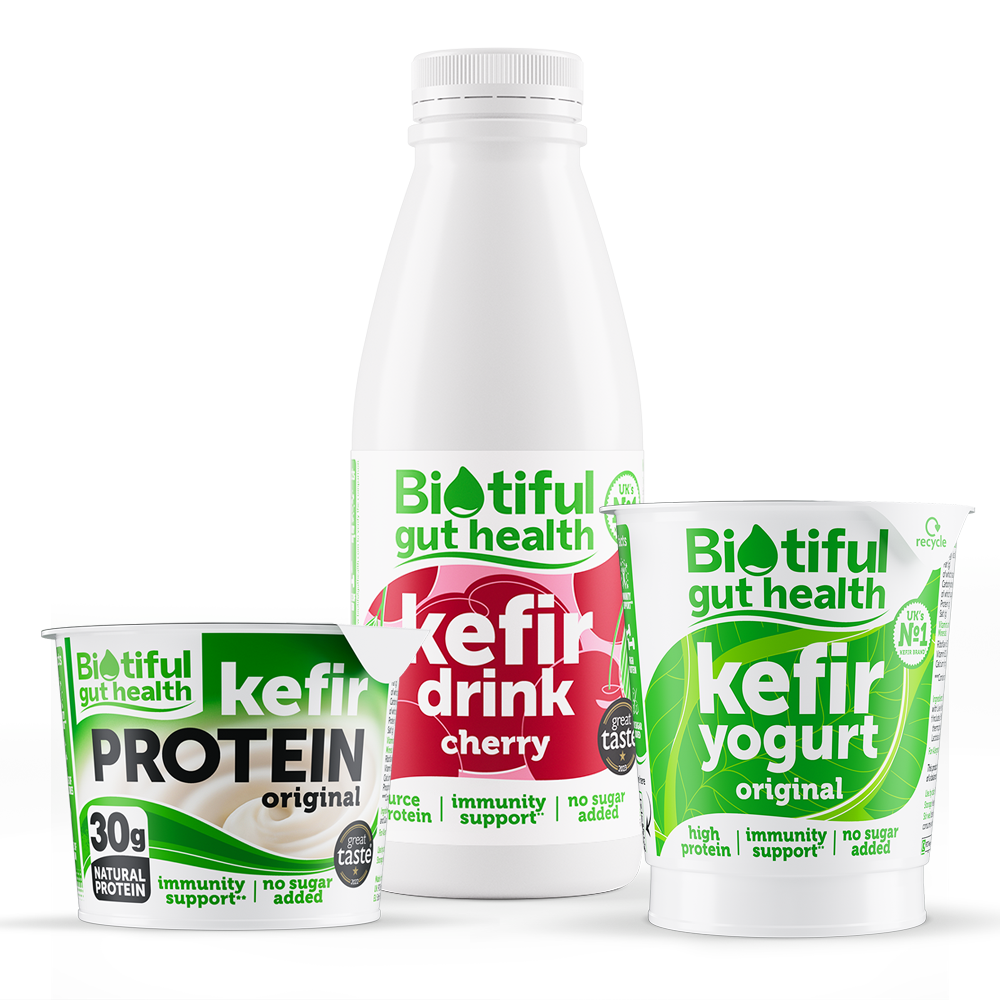
Biotiful Kefir is a fermented milk drink, packed with billions of live cultures, created through a traditional fermentation process. Fermented foods contain microorganisms and bioactive compounds that can interact with the gut microbiome when consumed regularly¹. Including fermented foods such as kefir is one way to include these within a varied diet that supports Gut Health.
Nutritionist top tip:
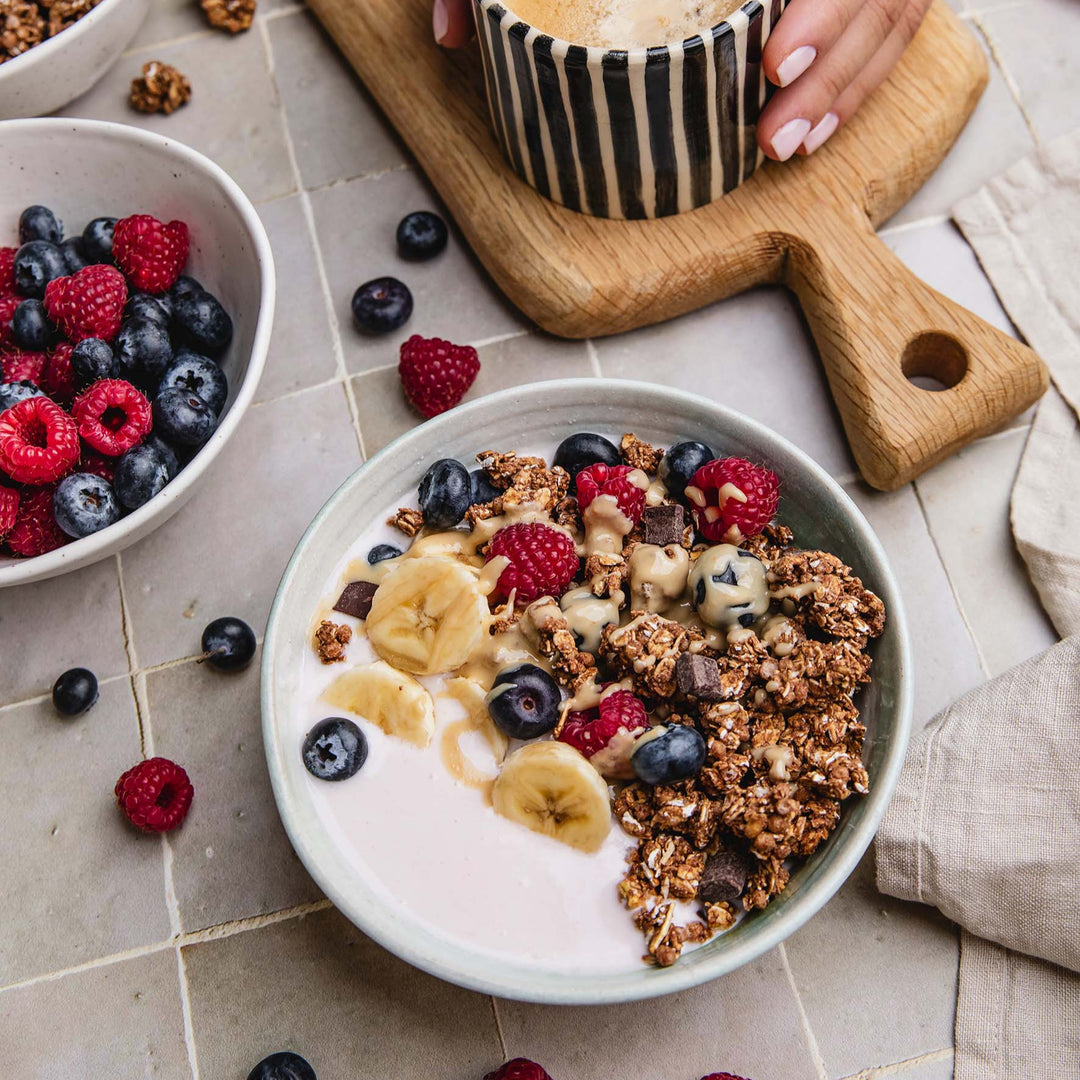
Try adding Biotiful Kefir Drinks to your breakfast, poured over fruit and oats or blended into a smoothie for an easy, everyday option. If you usually enjoy yogurt, Biotiful Kefir Yogurts make a great upgrade.
2. Sauerkraut
Sauerkraut is made by fermenting cabbage, which means it contains both fibre from the vegetable itself and live cultures formed during fermentation. Because it is a plant food, it also contributes to overall plant diversity, making it a simple way to combine fibre and fermented foods within a diet that supports Gut Health¹.
Nutritionist top tip:
Add a spoonful of sauerkraut to salads, grain bowls or alongside eggs for an easy flavour boost.
3. Oats
Oats are rich in beta-glucan, a type of soluble fibre that can be used by gut bacteria². Including whole grains such as oats regularly provides a consistent source of fibre, which is an important part of a varied diet that supports Gut Health. Because oats are easy to eat as part of a daily routine, they can help create a stable foundation for building overall dietary variety.
Nutritionist top tip:
Start your day with porridge or overnight oats, topped with fruit, seeds and Biotiful Kefir.
4. Lentils
Lentils are naturally high in fibre and contain a range of fermentable carbohydrates that can be used by gut bacteria³. They also contribute to overall plant diversity, which is an important factor in shaping a varied gut microbiome. In addition, lentils provide plant-based protein, making them a practical and filling addition to balanced meals.
Nutritionist top tip:
Add lentils to soups, stews or salads, or use them as a base for simple midweek meals.
5. Garlic
Garlic is especially rich in prebiotic fibres, including inulin and fructooligosaccharides (FOS), which can be used by beneficial gut bacteria such as Bifidobacteria⁴. Because garlic is used in small amounts across a wide range of meals, it can contribute to overall dietary variety in a consistent way. Including ingredients like garlic regularly is one simple way to build more plant diversity into your diet over time.
Nutritionist top tip:
Use fresh garlic in cooking where possible, adding it towards the end of cooking to preserve more of its natural compounds.
6. Bananas (slightly green)
Slightly underripe bananas contain resistant starch, a type of carbohydrate that reaches the gut largely undigested and can be used by gut bacteria⁵. It behaves in a similar way to fibre, offering a different type of substrate for the gut microbiome. The amount of resistant starch changes as bananas ripen, which means choosing slightly greener bananas can provide a different nutritional profile.
Nutritionist top tip:
Choose bananas that are just turning yellow rather than very ripe, and slice them into breakfast bowls or smoothies.
7. Apples
Apples contain pectin, a type of fibre that can be used by gut bacteria³. Because they are easy to include regularly, they are a simple way to build consistency in your overall fibre intake. Much of this fibre is found in the skin, which is why eating apples whole can make them a more valuable addition to a varied diet.
Nutritionist top tip:
Pair apples with a source of protein or healthy fats, such as nuts or Biotiful Kefir Protein, to create a more balanced snack.
8. Berries
Berries, particularly blueberries, raspberries and strawberries, are rich in polyphenols, which are plant compounds that are broken down and transformed by gut bacteria⁵. Unlike fibre, which acts as a more direct fuel source, polyphenols interact with the gut microbiome in different ways. Including a range of colourful berries is one way to increase the variety of plant compounds in your diet.
Nutritionist top tip:
Rotate the types of berries you eat across the week, such as blueberries, raspberries and strawberries, to naturally build plant diversity into your routine.
9. Avocado
Avocado provides both fibre and healthy fats, a combination that is less common in many everyday foods³. This makes it a useful addition to meals when aiming to build both variety and balance across the diet. Including foods like avocado regularly can contribute to a dietary pattern that supports gut microbiome diversity, particularly when combined with other plant foods.
Nutritionist top tip:
Add avocado to toast, salads or grain bowls, or mash with lemon and herbs for a quick, versatile topping.
10. Dark Chocolate (high cocoa)
Dark chocolate with a high cocoa content is one of the richest dietary sources of polyphenols, which are plant compounds that are broken down and transformed by gut bacteria⁵. These compounds are particularly concentrated in cocoa, meaning even small amounts can add to the overall diversity of plant compounds in the diet.
Nutritionist top tip:
Choose dark chocolate with at least 70% cocoa and enjoy a small square after meals.
Final Thoughts
When it comes to foods that are good for gut health, variety matters. Including a mix of fibre-rich foods, fermented foods and plant foods rich in natural compounds can be a simple way to support a healthier gut environment over time. Biotiful Kefir is one easy option to include as part of that routine, whether enjoyed at breakfast, as a snack, or added to simple everyday meals when eating for Gut Health.